
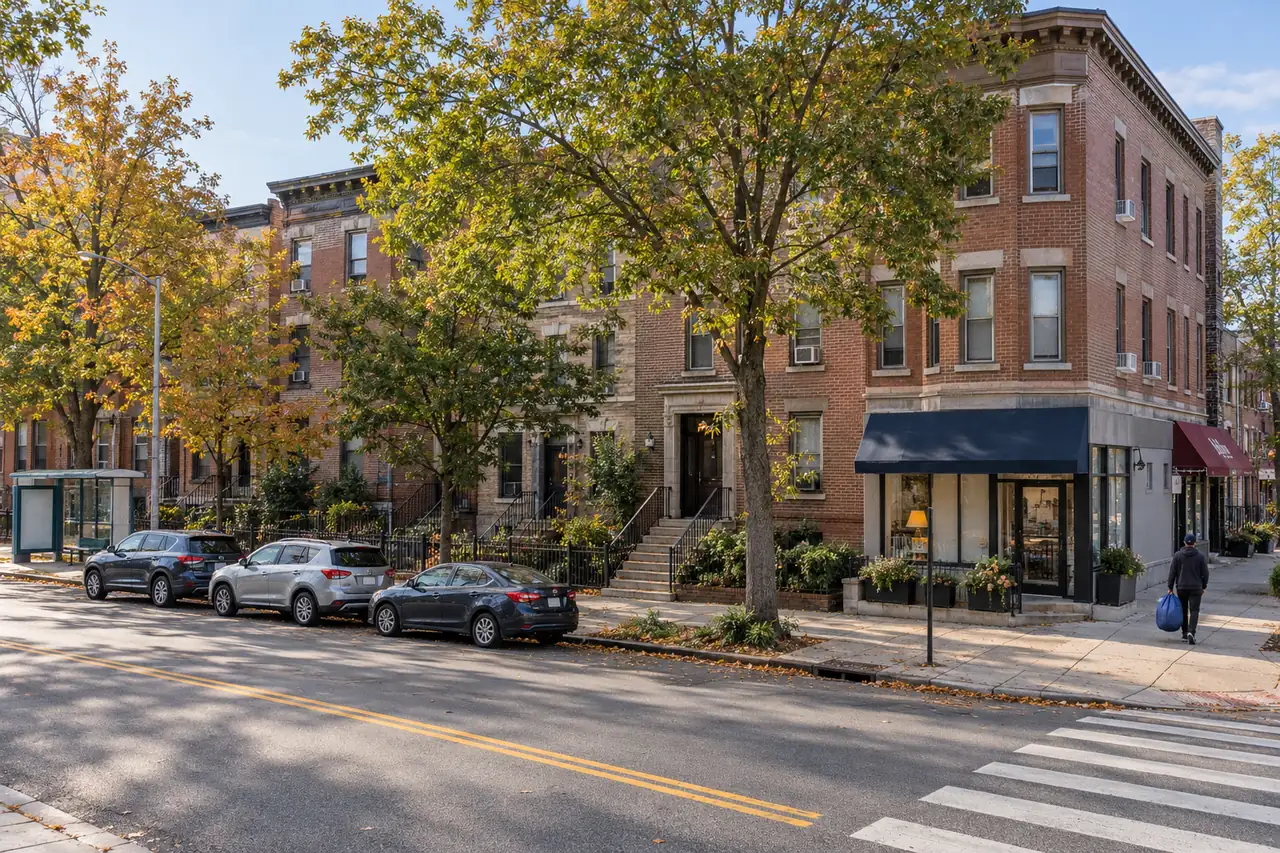
1. Start by asking what area the figures describe
A street address is precise; the area summarized by a report may be much larger. Look at the geographic coverage before comparing any numbers. A busy road, steep hill or rail line can separate homes that sit inside the same statistical area.
LaundryLocation uses neighborhood-area estimates covering 2020–2024, rather than a custom walking radius. Two addresses can share the same figures. That does not make their entrances, travel routes or nearby alternatives equivalent. Mark those differences on your visit notes.
3. Separate renting from washer access
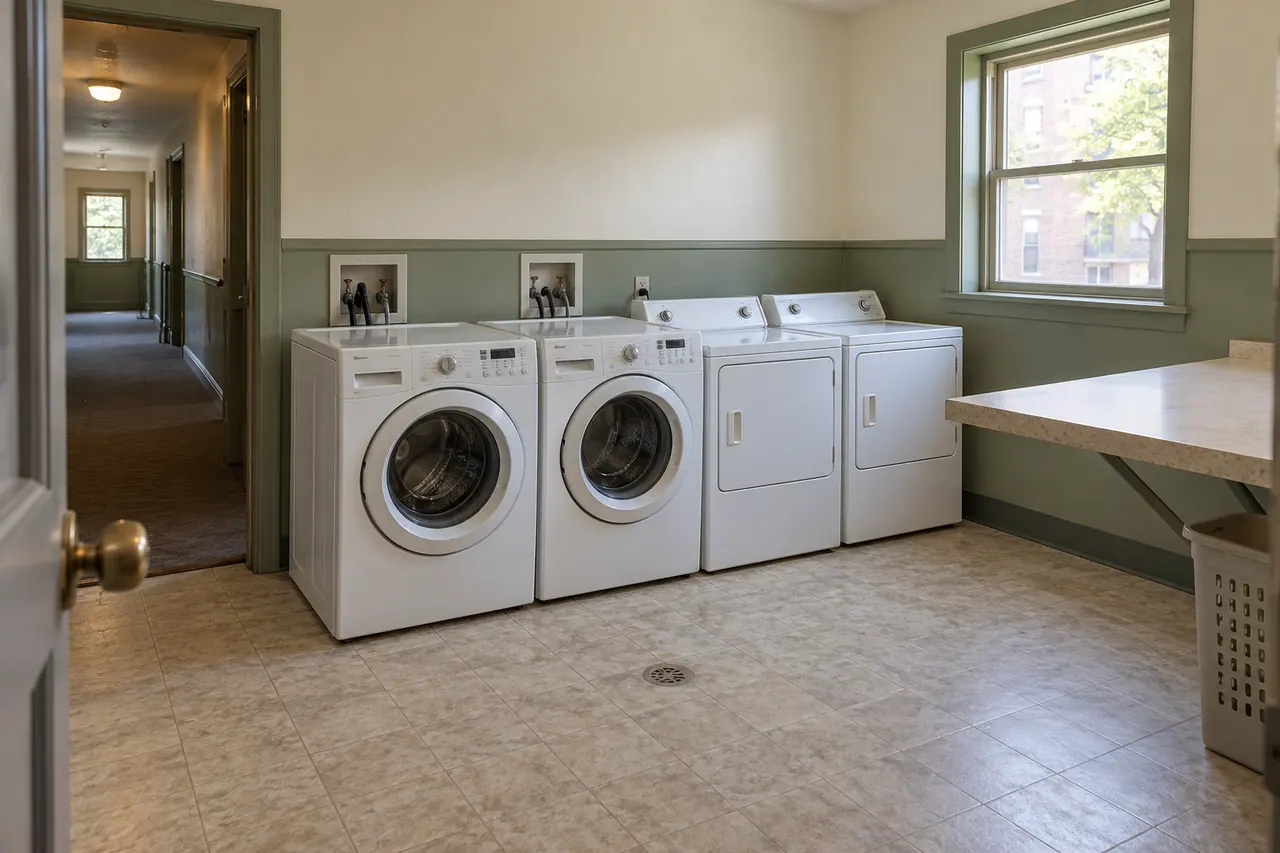
An apartment resident may use an in-unit washer, a shared building room, a nearby laundromat or a pickup service. Those are different situations. The useful question is what is available, reliable and convenient now.
Ask property managers about the facilities they provide and ask residents what they actually use. Explore specific frustrations such as broken machines, bulky bedding, opening hours or payment options. A building with a laundry room is neither proof that demand is covered nor proof that an outside service is needed.
4. Keep uncertainty beside the comparison
The report includes 90% uncertainty ranges alongside its estimates. A small gap between two point estimates may not establish a meaningful difference. Read the ranges before calling one area stronger.
The five-year period is also a limit. New buildings, renovations or a recently opened laundry service may matter to your decision without being reflected in those estimates. Add dated observations rather than silently treating the report as a current street-level count.
5. Leave with questions you can check
Organize your notes into three columns: what the report shows, what you suspect and what you have verified. For example, a high renter share belongs in the first column. A belief that residents lack washers stays in the second until you have evidence.
Choose your next visit or conversation to resolve a particular unknown. If the area figures are identical for two addresses, spend the next hour comparing their routes, existing services and building constraints. More decimal places will not answer those questions.
Your neighborhood research notes
- Record the area and period behind every comparison.
- Read household counts alongside percentages and uncertainty.
- Check in-unit and shared laundry options directly.
- Walk the routes between homes, transit and the proposed entrance.
- Keep assumptions separate from dated observations.